



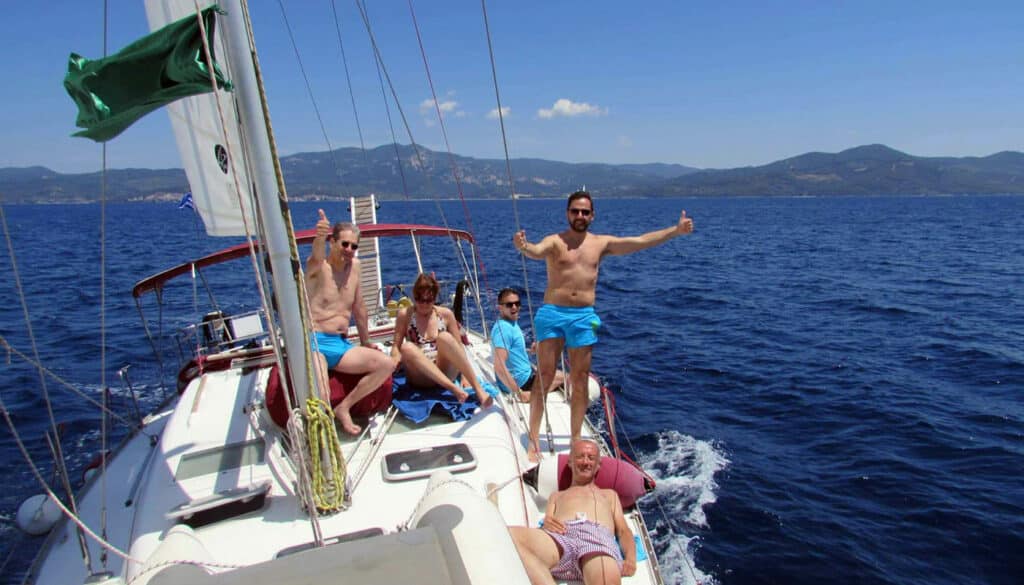
How to choose a sailing cruise: Why the Captain Matters More Than the Yacht
When considering how to choose a sailing cruise, most travellers look first at the yacht. They compare its size, age, facilities and photographs. They also examine the route, the duration and the price.
All these details matter. However, the captain often has a greater influence on the quality of the cruise than the yacht itself.
A professional captain does much more than operate the vessel. The captain checks the weather, prepares the yacht, selects the route and monitors the conditions throughout the trip. In addition, the captain communicates with the guests, organizes the swimming stops and responds when circumstances change.
Most importantly, a responsible captain also pays close attention to the condition and maintenance of the yacht.
Therefore, when choosing a sailing cruise, you should not focus only on the appearance of the boat. You should also learn who will operate it, how much experience that person has and how carefully the operator maintains the vessel.
Why the Captain Is So Important
The captain carries responsibility for the yacht and everyone onboard.
Before departure, the captain checks the latest weather information. Then, the captain evaluates the wind, waves and local sea conditions. At the same time, the captain prepares the yacht and confirms that the necessary equipment works correctly.
During the cruise, conditions may change. The wind may become stronger. The waves may increase. A popular swimming location may become crowded or uncomfortable.
An experienced captain recognizes these changes early. As a result, the captain can adjust the route, select a more protected bay or change the duration of a stop.
Guests may not always notice these decisions. Nevertheless, they directly affect the safety and comfort of the experience.
A good captain does not follow a fixed itinerary under all circumstances. Instead, the captain chooses the most suitable route for the actual conditions of the day.

Safety Starts Before Departure
Safe sailing begins long before the guests arrive.
A responsible captain prepares the yacht before every cruise. This preparation may include checking the engine, sails, ropes, batteries, steering system, navigation equipment and safety gear.
The captain must also consider the people who will join the cruise. A family with young children has different needs from a group of experienced sailors. Similarly, older guests may prefer calmer waters and easier access to swimming locations.
For this reason, the captain should know the number of guests, the ages of any children and any important personal requirements before departure.
After the guests arrive, the captain should explain the basic safety rules clearly. These instructions should cover movement around the yacht, swimming stops and the use of onboard equipment.
Clear information helps guests feel comfortable. At the same time, it reduces unnecessary risks.
Sailing Skills Are Only Part of the Role
Technical knowledge remains essential. However, sailing skills form only one part of the captain’s role.
A professional captain must also communicate well. Moreover, the captain must remain calm, observant and flexible.
Every group has different expectations.
Some guests want to learn about sailing. Others want to swim, listen to music and relax. Families may need protected bays and shorter sailing distances. Couples may prefer privacy and a peaceful atmosphere. Meanwhile, groups of friends may want more time for water activities.
A good captain understands these differences. Therefore, the captain adapts the experience whenever possible.
However, flexibility always has limits. The captain must make the final decisions about navigation, swimming and safety.
This balance is important. Guests should enjoy freedom without placing themselves, the crew or the vessel at risk.
The Captain Shapes the Atmosphere Onboard
The captain’s behaviour influences the entire cruise.
A friendly captain can help guests feel welcome from the first moment. At the same time, professional behaviour creates confidence and trust.
However, a good captain does not need to dominate the experience. Instead, the captain understands when guests want conversation and when they prefer privacy.
Some travellers enjoy hearing stories about the local coastline. Others want information about sailing techniques. In contrast, some guests simply want to relax quietly on deck.
An experienced captain observes the group and adjusts naturally. As a result, the cruise feels personal rather than standardized.
This approach becomes especially important during a private sailing cruise. Guests choose a private experience because they want greater comfort, flexibility and personal attention.

Why Local Sailing Experience Matters
Local knowledge can improve both safety and enjoyment.
A captain who regularly sails in the same area understands how the coastline reacts to different wind directions. The captain also knows which bays offer shelter and which routes may become uncomfortable during stronger winds.
In addition, an experienced local captain knows suitable alternatives.
A famous swimming location may not always provide the best conditions. It may become crowded, exposed to the wind or unsuitable for a particular group.
Therefore, the best route is not always the most popular route. It is the route that offers the safest and most pleasant conditions at that time.
In Halkidiki, the conditions can differ significantly between coastal areas. The waters around Sithonia, Porto Carras and Neos Marmaras may respond differently to the same weather system.
A captain with practical experience in these locations can make more informed decisions. Consequently, local knowledge adds real value to a private sailing cruise.
Why Yacht Maintenance Matters
Many travellers evaluate a yacht according to its age or appearance. However, regular maintenance often matters more than the year of construction.
A newer yacht can develop problems if the operator neglects it. On the other hand, a carefully maintained yacht can remain safe, clean and reliable for many years.
A responsible captain or operator regularly inspects the yacht. Important checks may include:
-
The engine
-
The sails
-
The ropes and fittings
-
The steering system
-
The anchor and anchoring equipment
-
The batteries and electrical systems
-
The navigation instruments
-
The life jackets
-
The emergency equipment
-
The toilet and water systems
-
The deck
-
The swimming equipment
These checks help identify problems before departure.
For example, a worn rope may appear unimportant to a passenger. Similarly, a small leak or an unusual engine sound may seem minor. However, an experienced captain understands when these signs require immediate attention.
Therefore, the condition of the yacht often reflects the professionalism of the person who operates and maintains it.
Maintenance Is Part of Safety
Yacht maintenance does not only affect appearance. It directly affects safety.
A clean deck reduces the risk of slipping. Well-maintained ropes help the captain control the sails correctly. A reliable steering system allows safe manoeuvring.
The engine also remains important, even on a sailing yacht. The captain may need it when entering the marina, approaching an anchorage or responding to changing conditions.
In addition, the yacht must carry suitable safety equipment. However, carrying this equipment is not enough. The captain must check its condition and keep it accessible.
Life jackets must suit the guests. Emergency equipment must remain ready for use. Navigation and communication systems must also work correctly.
For these reasons, careful yacht maintenance should form part of every traveller’s decision when examining how to choose a sailing cruise.
A Beautiful Yacht Does Not Guarantee a Good Cruise
Professional photographs can make almost any yacht look attractive.
However, photographs cannot show how the operator maintains the engine. They cannot prove that the safety equipment works correctly. They also cannot reveal how the captain responds when the weather changes.
The yacht certainly affects comfort. Guests need enough space, shade, clean facilities and suitable equipment.
Nevertheless, the captain decides how safely and effectively guests enjoy these features.
An impressive yacht with an unprofessional captain may create a poor experience. In contrast, an experienced captain on a properly maintained yacht can provide a safe, comfortable and memorable cruise.
Therefore, travellers should evaluate the captain and the yacht together.

Is the Cheapest Sailing Cruise the Best Choice?
Not necessarily.
Price naturally affects every booking decision. However, a sailing cruise involves more than renting a vessel for a few hours.
The price may also reflect:
-
The captain’s experience
-
Regular maintenance
-
Repairs and technical inspections
-
Professional insurance
-
Safety equipment
-
Fuel
-
Marina and port fees
-
Cleaning
-
Preparation before departure
-
Work after the cruise
-
Onboard facilities and activities
A lower price does not automatically indicate poor quality. However, travellers should examine what the price includes.
They should also ask who will operate the yacht and how the company maintains it.
A small difference in price may represent better preparation, stronger safety standards and more personal service.
Therefore, compare the complete experience. Do not compare only the final amount.
What Should You Ask Before Booking?
When deciding how to choose a sailing cruise, ask clear and practical questions.
Consider asking:
-
Who will captain the yacht?
-
How much professional experience does the captain have?
-
Does the captain regularly sail in the local area?
-
Is the cruise private or shared?
-
How many guests can the yacht accommodate comfortably?
-
What safety equipment does the yacht carry?
-
Does the operator provide suitable life jackets for children?
-
What happens when the weather changes?
-
Who selects the final route?
-
What does the price include?
-
How does the company maintain the yacht?
-
What happens if conditions do not allow safe sailing?
A professional company should answer these questions clearly.
Furthermore, the answers should agree with the information on the website, booking confirmation and other travel platforms.
Consistent information builds trust. It also helps travellers understand exactly what they are booking.
How Reviews Can Help You Evaluate the Captain
Customer reviews can reveal details that photographs cannot show.
When reading reviews, do not focus only on the overall rating. Instead, look for repeated comments about:
-
Safety
-
Professionalism
-
Communication
-
Friendliness
-
Local knowledge
-
Flexibility
-
Cleanliness
-
Yacht condition
-
Swimming locations
-
The atmosphere onboard
Detailed reviews provide useful evidence.
For example, several guests may mention that the captain adjusted the route because of the weather. Others may say that the captain helped their children feel comfortable or selected calm swimming locations.
Similarly, repeated comments about cleanliness and yacht condition can indicate careful preparation and maintenance.
One review may reflect a personal opinion. However, similar comments from several guests can reveal a consistent level of service.
Warning Signs to Consider
Certain signs should make travellers ask additional questions before booking.
For example:
-
The company does not identify the captain.
-
The website gives unclear information about capacity.
-
The operator guarantees a fixed route regardless of weather.
-
The price does not clearly state what it includes.
-
The photographs do not match the available yacht.
-
Reviews repeatedly mention poor communication or cleanliness.
-
The operator avoids questions about insurance or safety.
-
Different platforms show conflicting information.
None of these signs automatically proves that a service is unsafe. However, they justify further investigation.
A reliable operator should communicate clearly and provide consistent information.
The Captain and the Yacht Must Work Together
Choosing the right yacht remains important. However, the yacht cannot operate, maintain or prepare itself.
The captain and operator take responsibility for these tasks.
The captain prepares the yacht, monitors its condition and handles it during the cruise. At the same time, the yacht provides the facilities and equipment required for a comfortable experience.
Therefore, the captain and the yacht work together.
However, the captain’s decisions influence almost every stage of the cruise. These decisions begin before departure and continue until the yacht returns safely to the marina.
For this reason, the captain should remain one of your first priorities when choosing a sailing cruise.
Captain Greg’s Approach to Sailing in Halkidiki
At Halkidiki Sailing & Sporades, Captain Greg personally prepares the sailing yacht, checks the weather and plans the route before each departure.
He has worked professionally in sailing since 2003. During this time, he has gained extensive experience in Halkidiki and along the coastline of Sithonia.
Before every cruise, Captain Greg checks the yacht and its equipment. He also evaluates the local conditions and selects the most suitable route for the group.
During the cruise, he combines safety with flexibility and genuine hospitality. Therefore, guests can enjoy a personal sailing experience while the captain continues to monitor the yacht, the weather and the sea.

How to Choose a Sailing Cruise
When deciding how to choose a sailing cruise, consider the full experience.
Examine:
-
The captain’s professional background
-
Local sailing experience
-
Safety procedures
-
Yacht maintenance
-
Guest reviews
-
Maximum capacity
-
Included services
-
Weather policy
-
Communication before booking
Then, compare the yacht, route, duration and price.
The largest yacht may not offer the best experience. Similarly, the lowest price may not provide the best value.
Ultimately, a sailing cruise depends on preparation, professional judgment and personal care.
A good captain does not simply steer the yacht. A good captain protects the guests, maintains the vessel and pays attention to every important detail.
Therefore, choose the captain with the same care that you use to choose the yacht.
Frequently Asked Questions
What is the most important factor when choosing a sailing cruise?
The captain is one of the most important factors. The captain controls navigation, monitors the weather, selects the route and takes responsibility for safety. In addition, the captain influences the atmosphere and comfort onboard.
Is a newer yacht always safer?
No. A yacht’s age does not determine its safety by itself. Regular maintenance, proper preparation and responsible operation matter more than the year of construction.
Why does local experience matter?
Local experience helps the captain understand the winds, sea conditions and protected swimming locations in a specific area. It also helps the captain select suitable alternative routes when conditions change.
What should I ask the captain before booking?
Ask about professional experience, local knowledge, safety procedures, weather policies, yacht capacity and maintenance. You should also confirm who will actually captain the yacht.
How can I tell whether a yacht receives proper maintenance?

Ask the operator who supervises the yacht and how often the company checks its main systems and safety equipment. Customer reviews may also provide useful information about cleanliness and condition.
Should I choose a sailing cruise based only on price?
No. Compare the full service. Consider the captain’s experience, yacht condition, safety standards, included services, insurance and guest reviews.
Does the captain choose the final route?
Yes. Guests may express their preferences, especially during a private cruise. However, the captain makes the final decision based on weather, sea conditions, available time and safety.
Why do customer reviews matter?
Reviews can reveal how the captain communicates, handles weather changes, maintains the yacht and treats guests. Repeated comments from different customers provide useful evidence about the quality of the service.